Seen others getting it right and wondering how to run a successful pumpkin patch at your farm park? Pumpkin patches have come a long way from a field, a wheelbarrow, and an honesty box.
Earlier this year, we had the pleasure of sitting in on a brilliantly honest and practical panel at the NFAN Annual Conference, where some of the UK’s most experienced pumpkin patch operators lifted the lid on what really makes these events work.
The panel brought together a fascinating spread of experience:
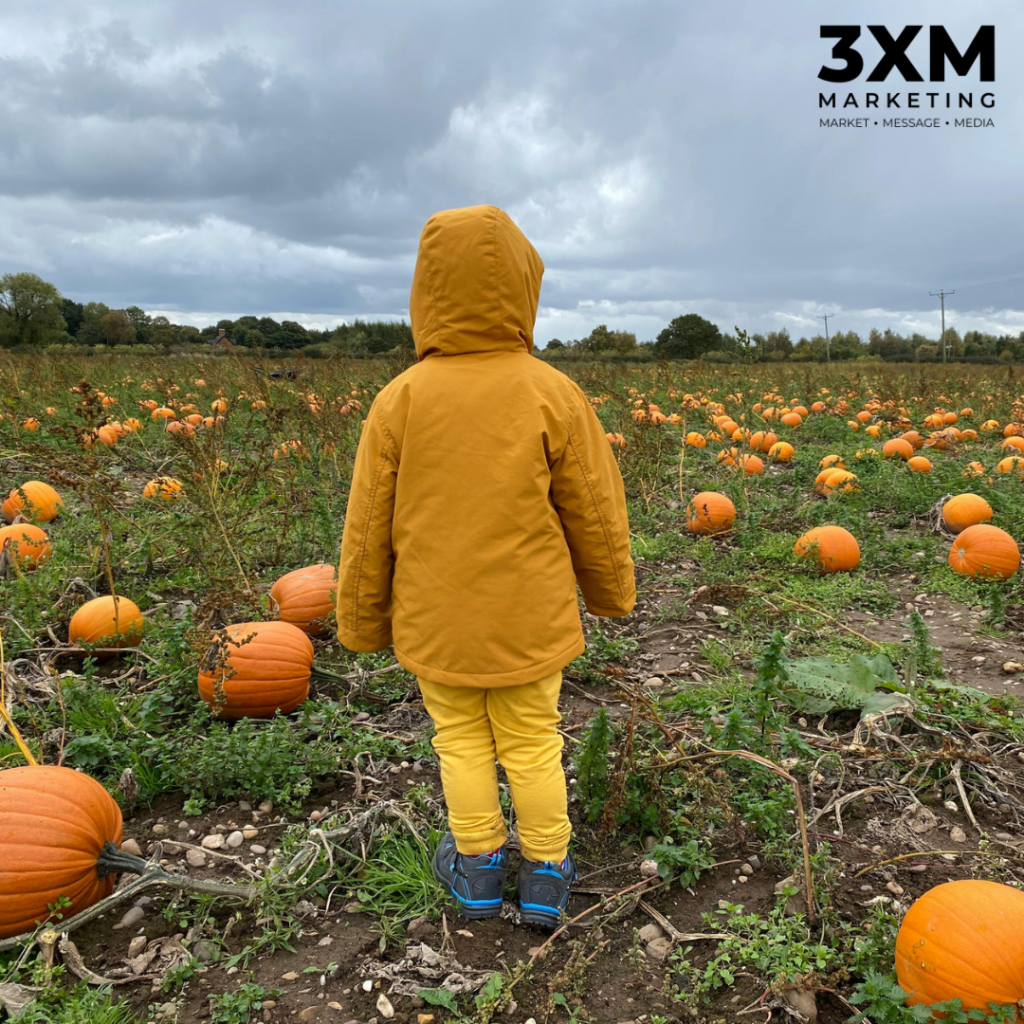
- Tulleys Farm, running a highly polished autumn operation with 21 nights of events and around 165,000 visitors
- Avon Valley Adventure & Wildlife Park, blending pumpkins with large-scale family entertainment
- MK Pumpkins, a specialist grow-and-pick operation
- Over Farm, still in the infancy of their pumpkin journey, welcoming around 18,000 visitors this year and steadily building towards something bigger
What followed was a refreshingly candid discussion about the highs, the lows, the mistakes, and the unexpected lessons learned along the way.
So here’s a practical summary, pulling together the most salient points for anyone who’s running or wondering how to run a successful pumpkin patch at your farm park.
Landed here looking for help marketing your pumpkin patch? Book a free business growth call at the bottom of the page.
If there was one non-negotiable takeaway from the session, it was this: you need excellent parking infrastructure to run a successful, scalable pumpkin patch event.
Pumpkin patches are high-volume, time-bound events. Visitors arrive in waves, often with small children, buggies, and wellies. If parking is chaotic, muddy, poorly signposted, or slow to get in and out of, it doesn’t matter how good the pumpkins are.
Operators who “don’t bother” with proper parking solutions tend to:
- Get hammered in reviews
- Create tension before guests even reach the entrance
- See repeat visits drop off sharply
Quite simply, poor parking is one of the fastest ways to fall by the wayside.

2. The pumpkin is just the hook; the experience is the product
A recurring theme was that a pumpkin patch must be a full experience, not just a field of pumpkins. Visitors are coming for:
- Entertainment
- Food and drink
- Photos and memories
- A feeling of autumn celebration
The pumpkin itself gets them through the gate. What keeps them on site (and spending) is everything else around it.
This is where live performers, roaming characters, themed trails, music, fire pits, street food, and storytelling come into play. The best patches – the ones that get people telling their friends all about you – they feel more like autumn festivals than agricultural retail.
3. Fewer pumpkins sold… higher secondary spend
One of the most interesting insights was that almost everyone on the panel is seeing fewer actual pumpkins being bought, while secondary spend is increasing.
People are:
- Spending more on food and drink
- Engaging with paid activities
- Treating the visit as an experience day out
There’s growing demand for a festival-led, food-led autumn experience, with pumpkins playing a supporting role rather than being the main event.
This has big implications for pricing, layout, staffing, and how you measure success. Pumpkin sales alone are no longer the headline metric.
4. The calendar really matters (and Halloween is a hard stop)
It almost goes without saying that where Halloween falls in the calendar makes a huge difference. The blunt truth shared by operators was:
Once Halloween is done, people stop coming.

You can have the best site in the world, but November 1st is effectively the end for most visitors. This means:
- Front-loading your marketing
- Starting your event earlier in October
- Being careful about how far beyond Halloween you plan events
- Avoiding over-commitment to dates that won’t perform
Timing isn’t just a detail; it defines your entire operational window.
Want help timing your pumpkin patch marketing to a T? Book a free business growth call at the bottom of the page.
5. Phase your dates carefully
A smart strategy for pumpkin patch ticketing is phasing the number of event days rather than going all-in from the start. For example:
- Start with Saturdays and Sundays in early October
- Add Fridays as demand builds
- Increase frequency as you approach half term
- Test demand
- Control staffing and operating costs
- Avoid burning money on quiet early dates
There’s a careful balancing act here. Go too hard too early and costs can spiral. Hold back too much and you miss momentum.
6. Night experiences must earn their ticket price
Night pumpkins can’t just be “a patch with some lights”. If you’re selling evening tickets for a separate experience to daytime pumpkin PYO, visitors expect:
- Proper lighting design
- Live entertainment
- Fire performances, actors, DJs, storytellers, or immersive scenes
- A clear reason why it’s different (and more expensive) from daytime
The most successful night events feel theatrical and intentional, not improvised or “more of the same, just in the dark”.
7. Don’t assume everyone wants a pumpkin
Another strong consensus among pumpkin event planners was that you shouldn’t include a pumpkin in the ticket price.
- Not everyone wants one
- It can quickly become a logistical nightmare
- Home-grown pumpkins are rarely uniform in size and can lead to grumbles
- Pricing becomes messy when supply varies
A free pumpkin can work as a targeted upsell – for example, bundled with farm park entry – but baking it into every ticket can often cause more problems than it solves.
8. Use recipes to sell more varieties
Recipe boards offer a simple but effective tactic for increasing pumpkin sales on the day.
Instead of selling “a pumpkin”, guide visitors towards multiple varieties by showing poster boards next to your crates of different gourd varieties:
- “For this soup, you need this pumpkin plus this one”
- “Best pumpkins for roasting vs carving”
- “Which pumpkins work best for a sweet dish?”
Doing this reframes buying from a single item to a choice-led experience, and can nudge basket size up naturally.
Want more marketing strategies to help you increase secondary spend across your attraction? Book a FREE business growth call at the bottom of the page.

9. Discouraging pumpkin smashing (without killing the vibe)
Pumpkin smashing is a surprisingly common issue. Here are some ideas to help reduce the number you lose to the smashers:
- Light-hearted signage (“7 years’ bad luck if you smash a pumpkin”)
- Messaging about spare pumpkins being donated to food banks
- Gentle reminders that pumpkins are food, not footballs
- A note in your pre-event emails to encourage care and respect during the visit
Visible staff presence in the patch tends to help too (and has plenty of other benefits besides…).
10. You need staff in the patch
Monitoring matters. Having team members actively walking the patch helps to:
- Reduce damage
- Help visitors find pumpkins
- Manage flow
- Intervene early if behaviour tips the wrong way
- Answer questions
- Take group photos
It’s not just crowd control – it’s guest experience!
11. You will need more wheelbarrows than you think
Did you know that Tulleys operate their pumpkin patch with around 1,500 wheelbarrows?!
It might sound funny but at scale, wheelbarrows are critical infrastructure for a successful pumpkin patch.
Not having enough slows the whole site down and frustrates guests quickly. Of course, storage is an issue here – so do have a think about how and where you could store hundreds of the things. Rees at Over Farm raises his up into barn rafters using pulleys – is that something you could do too?
12. Use photo moments to control flow
Photo opportunities aren’t just for Instagram – they’re a powerful way to move people where you want them to go. Place the following strategically and you can gently pull visitors through the site in the direction that best manages congestion and dwell time:
- Giant pumpkins
- Archways
- Characters
- Scenic backdrops
Could you take things further with a mystery word trail or a tick sheet, where visitors have to find and letters and unscramble them?
13. Practical pumpkin growing tips
On the farming side, several practical tips stood out:
- Plant using grids so people can “park up” and walk in without trampling vines (also giving you clean lines for spraying and maintenance).
- Using the same field year after year can work, but do expect to top up with pumpkins grown elsewhere to maintain stock levels.
- Authenticity still matters – even topped-up pumpkins look right when surrounded by real vines and growing pumpkins in the field.
14. Increase capacity on bad weather days
This might sound a little counter-intuitive but increase capacity when the weather’s bad can actually help protect (and event boost) revenue. Why?
- People don’t linger as long
- Dwell time drops
- Throughput increases
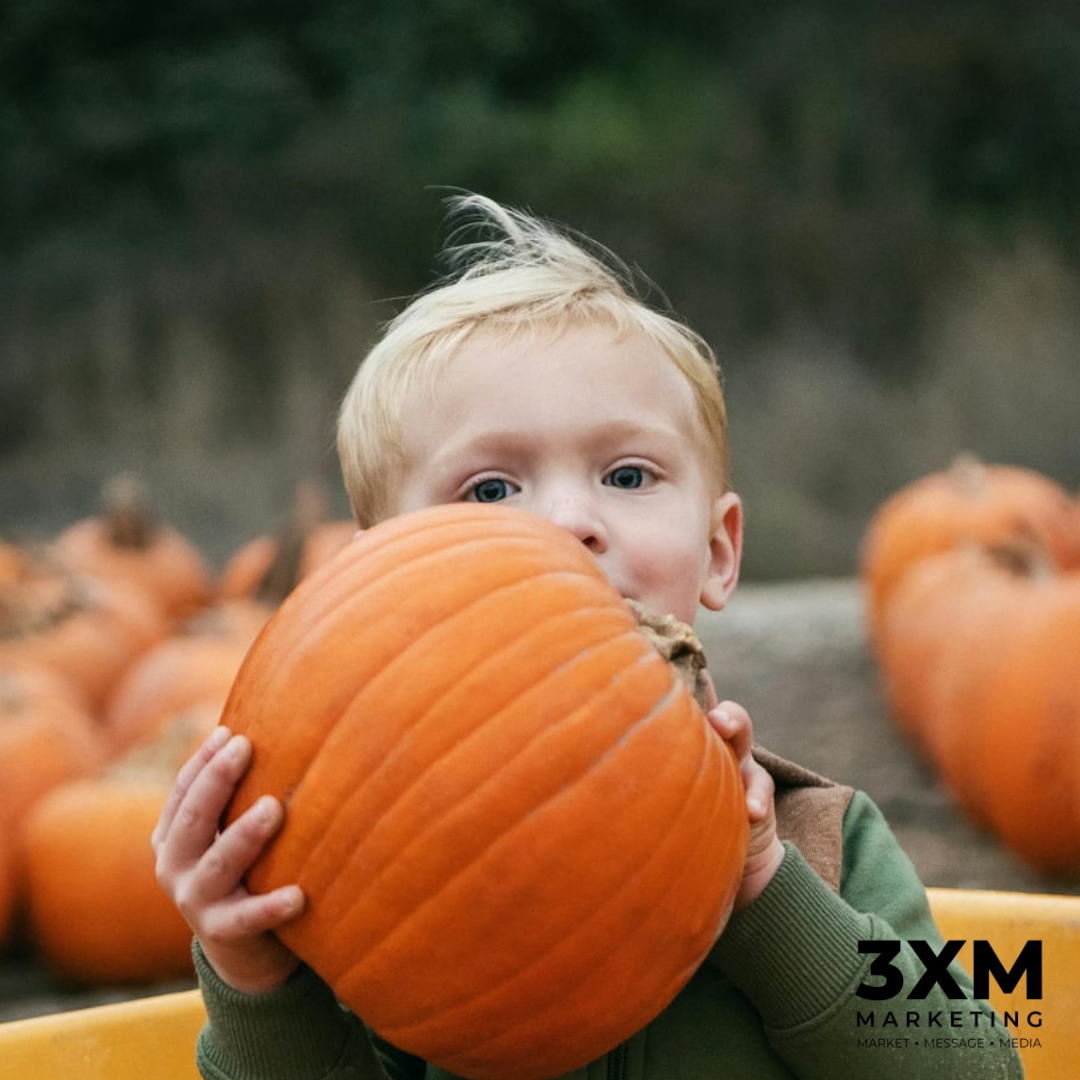
This can help recover revenue on days that might otherwise underperform, because your throughput increases, so you can serve more customers in the same amount of time.
For example, on a sunny day, families might stay for 2–3 hours, taking photos, eating, and making a full day of it. But on a wet or cold day, that might drop to 60–90 minutes. That effectively creates more “slots” in your day.
By increasing capacity (e.g. releasing more tickets or relaxing time-slot limits slightly), you can:
- Sell more tickets
- Offset the natural drop in demand
- Recover revenue that might otherwise be lost
Done carefully, this doesn’t harm the customer experience, because the shorter dwell time naturally keeps things flowing.
Want more help marketing your pumpkin patch? Book a free business growth call at the bottom of the page.
15. Stop “late-slot gaming” on night tickets
Lots of farm parks either don’t use influencers at all, or do it once and stop.
The opportunity is in systemising it. Could you:
- Build a 6-person influencer programme?
- Create monthly content output?
- Align visits with your biggest revenue-driving events?
A common issue in pumpkin patches that run both day and night events is guests booking late daytime slots to sneak into night events at a cheaper price.
Here are a couple of ideas that could put the kibosh on such behaviour…
- Increase the price of late daytime slots
- Allow on-the-day upgrades to night events
- Station a couple of staff at transition points to check and upgrade tickets
What’s most crucial to a successful pumpkin patch?
For us, the biggest takeaway for pumpkin patch success isn’t actually really about pumpkins at all.
It’s that the most successful patch planners think like experience designers, festival operators, and crowd managers; not just growers.
Pumpkins get people excited. Great operations keep them happy. Memorable experiences bring them back year after year and get them recommending you to others.
If you’re building or refining your own pumpkin patch, make sure you bear these lessons in mind along the way.
And if you want help marketing your pumpkin patch to bring in more customers, boost your reputation and prompt more brilliant reviews, get in touch.
Our experienced team have already helped Over Farm sell out their Pumpkins After Dark nighttime events three years in a row, and we’ve got plenty more strategies to help you push your pumpkin patch further this year. Book a free business growth call to get the ball rolling.
Get help to grow your business, for FREE
Book a free 3XM Business Growth Call, and spend 30 minutes with a member of the 3XM team, where we’ll help you outline some straightforward actionable things you can do to improve your marketing and grow your business, no strings, no tie ins, and no purchase necessary.
During your Business Growth Call, we’ll:
- Take a look at the marketing you’re doing, and give you our two cents on how to improve it
- Tell you what we’d be doing if we were in your shoes
- Give you actionable tactics and strategies we’re using right now to get leads and customers for our clients
- Make sure you walk away with something you can take away and use straight away
Click the button below to book a slot, and we’ll see you on the call: