17 years ago, almost to this very day, I started my post-graduate career.
And naturally – having graduated with a degree in journalism, film and media – my first job was in a restaurant.
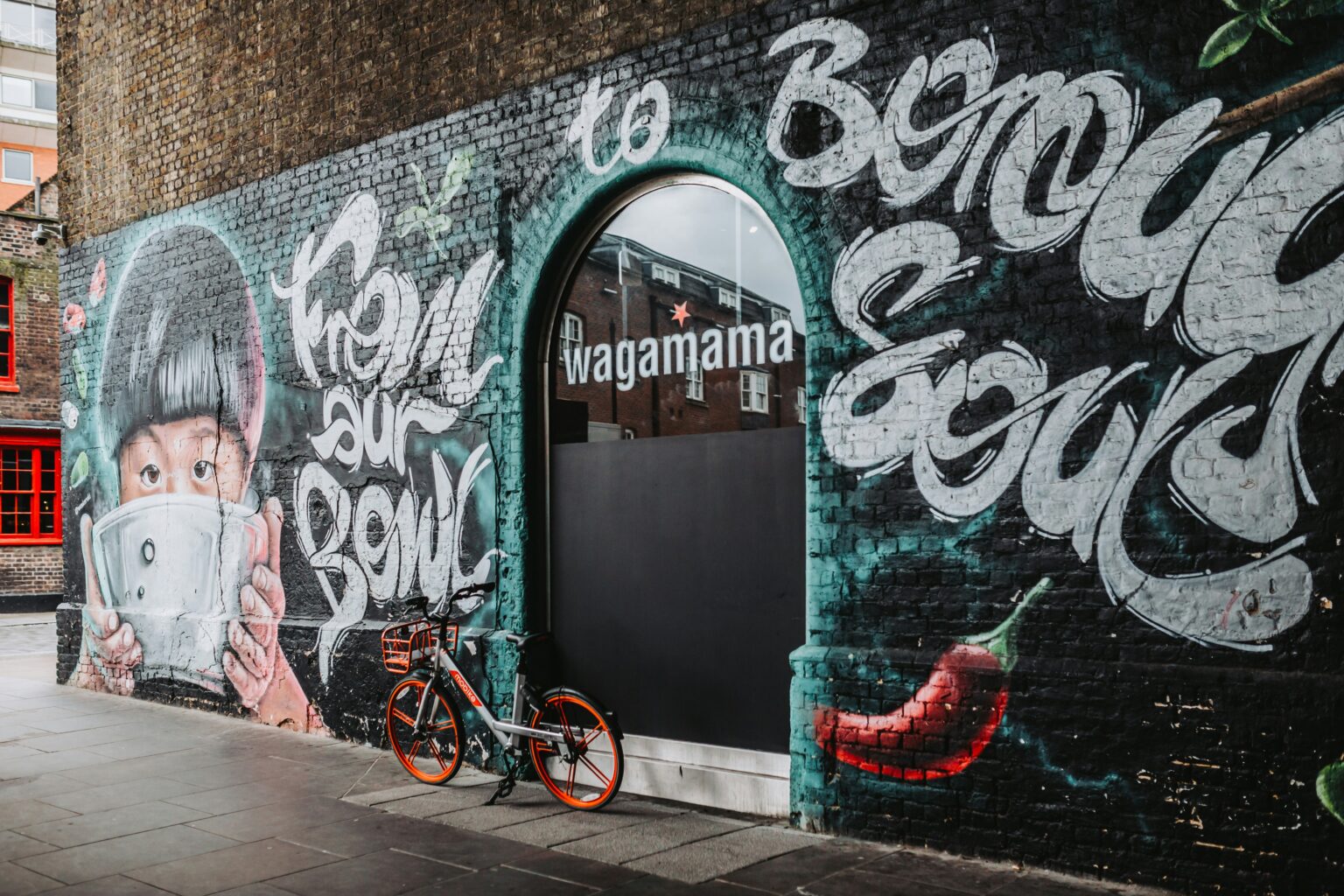
“Asian-fusion” chain Wagamama, to be precise.
It might not have been what I’d dreamt of doing after university, but I had an absolute blast there for four years, learning absolutely loads; not just about food, but sales, marketing, operations, management, customer service, and all of sorts of other stuff.
At the time, Wagamama was one of a few chain restaurants going through big expansion, with VC money flying around left, right and centre.
And while on the surface, brands like Zizzi, Giraffe and GBK appeared to be cut from the same cloth as Wagamama, in reality, some of their approaches to growth were quite different.
The most obvious one was in Wagamama’s lack of offers, discounts and deals, in stark comparison to the Pizza Express template of free sides and lunchtime bundles.
The only time I ever recall them running offers while I worked there was in January, where they’d offer a ‘buy-one-get-one-free’ on main meals, but only to people who’d dined with them in December.
The rest of the year, it was full price, no ifs, no buts.
It was almost worn as a badge of honour; a statement that their product was good enough to stand on its own two feet, without sales tactics or incentives to drive customers in.
And it’s a strategy that served them well for years: since 2012 they’ve more than doubled the number of restaurants they operate, their growth continuing while other brands have fallen by the wayside.
For comparison, in the same time frame, Pizza Express have closed 100 restaurants, the number of GBKs has halved, and there are only 23 Carluccio’s in the UK, down from their high of 103. Giraffe barely has any outlets left.
You get my point: Wagamama is a business that knows what it’s doing; evolving, adapting and reshaping things to cater to the changing and shifting marketplace.
And for years, despite changing their menu, modernising their branding, and embracing plenty of digital tech, their stance on offers remained unchanged – come in and pay full price, or don’t come in at all, the choice is yours.
So you can imagine my surprise when I received an email from them the other day, introducing their new lunch deal, offering a dish and a drink for £12, Monday to Friday, 11am to 3pm.
It’s quite the saving – with the average price of a main around £15, and a drink another £3-4 on top, they’re sacrificing £5+ of margin just to get people through the doors.
And that’s not the only initiative they’ve introduced in the last two years – they also launched “Soul Club”, a loyalty scheme that gives you points which can be redeemed against food, in July 2024.
Back in 2012, the top brass at Wagamama didn’t consider either of these things.
Because they didn’t need to.
But, 13 years later, things have changed. A lot.
Hospitality is having a tough time right now, with the rampant inflation over the last few years resulting in people eating out less – over half of UK diners have already cut back on eating out this year, and 44% expect to reduce restaurant visits further in the next six months.
And when the market’s turbulent, or when it shifts, you need to react, you need to be nimble.
Sometimes that’ll mean being flexible, and doing things you’ve never done before, which is exactly what Wagamama are doing – taking the bull by the horns and giving their prospects a powerful reason to choose them.
This has clearly got an application for hospitality, but the principle is applicable to all businesses, especially when many are facing the challenges of a tricky economic climate.
If the market’s changed, if things are slower, if sales are harder to close, if prospects are sitting on their hands, you need to shift.
Change. Evolve. Adapt.
Maybe it means your sales team getting on the phone and making outbound calls, when they’ve been used to just handling incoming enquiries.
Maybe it means running a marketing campaign you’ve never put out there before, with a limited time offer to drive some prospects over the line.
Maybe it means introducing another media (like WhatsApp) into your sales process to get your message in front of more people and improve level of response.
Maybe it means introducing a lower-cost product to provide a down-sell option and close more of the leads you generate.
Whatever it means within your particular context and set of circumstances, Wagamama’s pragmatic shift from “no offers” to “genuinely compelling lunchtime deal” is instructive – if a £500 million turnover business, with thousands of moving parts can think on their feet and adapt to the changing market?
So can you.